Your Personality Is Not Your Brand Archetype (And Why That Matters for Making Money)
Jan 29, 2026
Most people are operating under this assumption:
“If I’m being authentic, the money will follow.”
It sounds true.
It feels aligned.
It’s also incomplete.
Revenue doesn’t follow uncontained self-expression.
It follows contribution that people resonate with.
That’s the spine of your brand.
Everything else hangs on that.
The Biggest Branding Mistake
One of the biggest branding mistakes I see is people assuming the archetype they identify with—from a personality or self-concept perspective—is the archetype they should lead with publicly.
They think:
-
“This is who I am.”
-
“This is what feels true.”
-
“This must be what I monetize.”
And when that doesn’t work, they don’t question the premise.
They escalate tactics instead.
So the next move becomes:
-
more strategy
-
a better funnel
-
ads (on a brand that already isn’t converting)
-
or worse — more systems with the belief that “once I know more about myself things will work.
Astrology.
Human Design.
Gene Keys.
Another layer of self-analysis.
As if the issue is insufficient self-knowledge.
But that’s not how brands actually work.
(Worthy of noting: I adore Human Design/ BG5 and use it as part of my framework I walk clients through, the difference is I use it strategically rather than an endless loop of self-analysis)
The Shift That Changes Everything
The archetype you lead with is not necessarily the one that makes you money.
And that’s not a betrayal of authenticity.
It’s strategy.
Strong brands separate:
-
identity from function
-
who you are from what the market needs from you
That isn’t manipulation.
That’s architecture.
You are not lying about who you are.
You are selecting which parts of yourself are relevant for the role your brand is meant to play.
You turn up the volume on the part of you that solves a problem.
You don’t perform your entire inner world on stage.
Example 1: Taylor Swift, the “Everywoman”

People love to say:
“Taylor Swift isn’t really the everywoman, she’s the ruler”
I hear this most from the people within the industry that see my branding content.
Correct.
And she was never supposed to be in her day to day life.
Taylor Swift did not lead with the Ruler archetype—despite absolutely growing into power, control, and industry dominance.
She led with:
-
the Everywoman
-
relatability
-
community
-
accessibility
-
emotional proximity (which led to the Swifties & the parasocial relationships that created what some may call a cult like following).
Why?
Because at the time:
-
country music (her strategic entry point) required a certain image
-
overt authority would have triggered rejection too early
-
the everywoman separated her from her peers & other pop stars at the time (strategic differentiation)
You can even see glimpses of the disembodied Ruler emerge in early interviews (through snark/ superiority)—before Tree Paine stepped in and tightened the brand so thoroughly that every appearance became intentional, contained, and sequenced.
So Taylor functionally led with the archetype that:
-
created loyalty
-
built community
-
lowered threat
-
made scale possible
-
differentiated her in the overall market
The accent.
The prom appearances.
The fan intimacy.
Whether people call it “fake” is irrelevant.
It worked.
Later, she reclaims power—but she does it through the Everywoman narrative:
the girl finding her voice, reclaiming her masters, standing up for herself.
She didn’t flip archetypes.
She sequenced power in a powerful (and intentional) brand story arc that brought her community along for the ride.
That’s brand intelligence.
Taylor Swift didn’t monetize who she was in every area of her life. She didn’t even monetize her personality. We have enough unsealed texts & emails in the Justin Baldoni case to prove that.
She monetized what the moment required so she could get paid for what she was best at.
That’s branding psychology.
Not personal identity.
Example 2: Candace Owens, the Provocateur
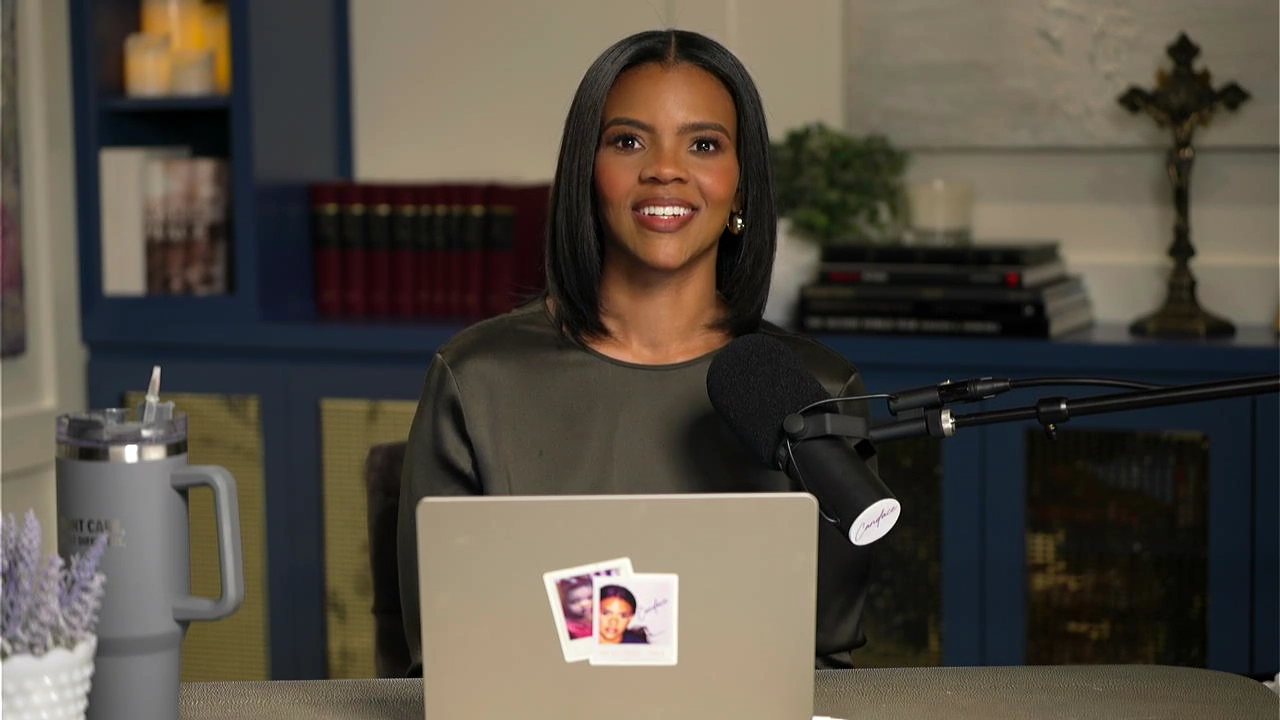
Now contrast that with Candace Owens.
Candace Owens is a Provocateur, one of the most powerful brand archetypes for scaling a YouTube channel or podcast… fast.
Is she a provocateur in every area of her personal life?
Highly unlikely.
But she leads with it publicly because:
-
provocation creates velocity
-
velocity builds platforms
-
platforms create leverage (and money)
The Provocateur archetype exists to:
-
polarize quickly
-
challenge dominant narratives
-
destabilize comfort
-
use unfiltered opinions to build a devoted following by giving voice to unspoken frustrations.
Does it make her universally liked?
No. The Provocateur & Outlaw are most definitely not universally liked.
Does it grow a channel and a podcast?
Absolutely. Whether you love them or hate them people can’t stop watching & talking.
That’s not a value judgment.
That’s an archetypal function.
The Branding Truth Most People Need to Hear
Your brand is not a diary (Yes, it is strategic for Taylor’s brand to feel like a diary, even though it is not).
Yes, you are the brand.
And also—your brand is the business interface.
Your brand’s job is to connect.
Your business’s job is to make money.
To understand what your brand needs to do, you have to understand the role it’s meant to play.
Roles exist to do a job.
Not to represent your entire identity, emotional life, or belief systems.
The Strengths-Based Reframe
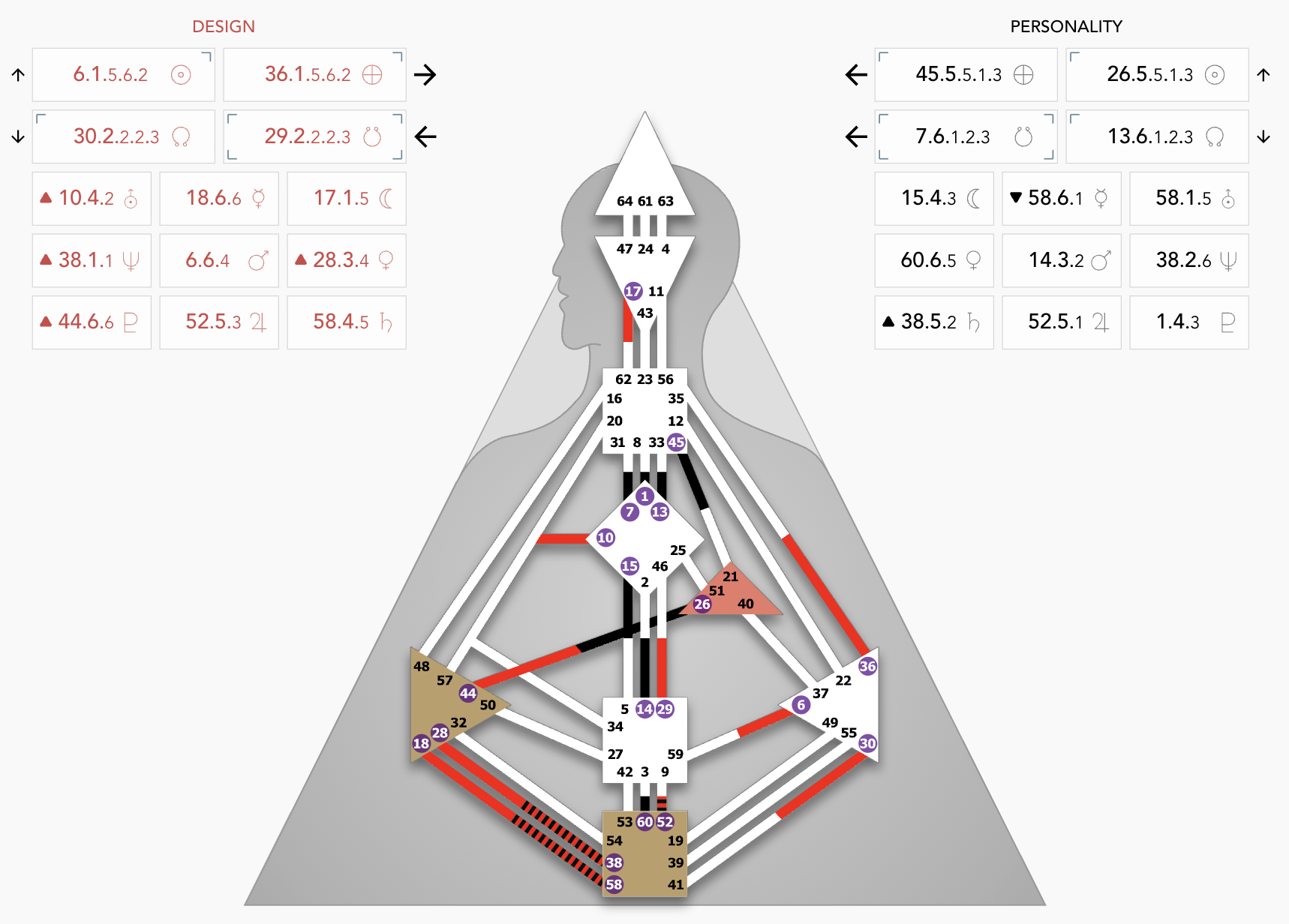
From a strengths-based psychology and BG5 (business application of the Human Design System) lens, this is obvious:
You do not monetize:
-
your comfort zone
-
your self-image
-
your raw emotional truth
In fact, you often monetize the opposite.
You monetize:
-
the wisdom you earned the hard way
-
the strengths that solve problems for others
-
the role you can perform consistently and reliably (this is why profile is called public role in business… you are stepping into a role the market needs)
When people try to monetize the archetype they feel most attached to, brands stall.
Not because they’re wrong.
But because they’re misapplied.
Why This Actually Matters
If your brand isn’t making money, ask yourself honestly:
Am I leading with:
-
what feels authentic
or -
what actually creates value?
Those are not the same thing.
And confusing them is how people stay stuck for years—spiritually informed, deeply self-aware, and financially frustrated.
Why Archetypes Aren’t Personality Tests (In My Work)
This is exactly why archetypes aren’t personality labels in my work.
They’re strategic roles.
Brand maturity is knowing:
-
which archetype builds trust
-
which archetype builds revenue
-
and which archetype is private, not public
That’s not selling out.
That’s self-respect plus strategy.
And honestly? This is the way to prevent burn out in your business.
The archetype you lead with is a choice.
The archetype you are is not.
Strong brands know the difference.
And if this hit, it’s because you’re already running into the limits of self-expression as a strategy.
That’s exactly the work we do inside Brand by Design: The Psychology of Magnetic Brands — not archetypes as labels, but archetypes as roles that actually create value.
Doors just opened.
That’s where this gets stabilized.
You can learn more HERE.
ashley
Outlaw Words Co.
