How to Use Nostalgia & Gamification in Your Brand (Like Taylor Swift in "Opalite")
Feb 07, 2026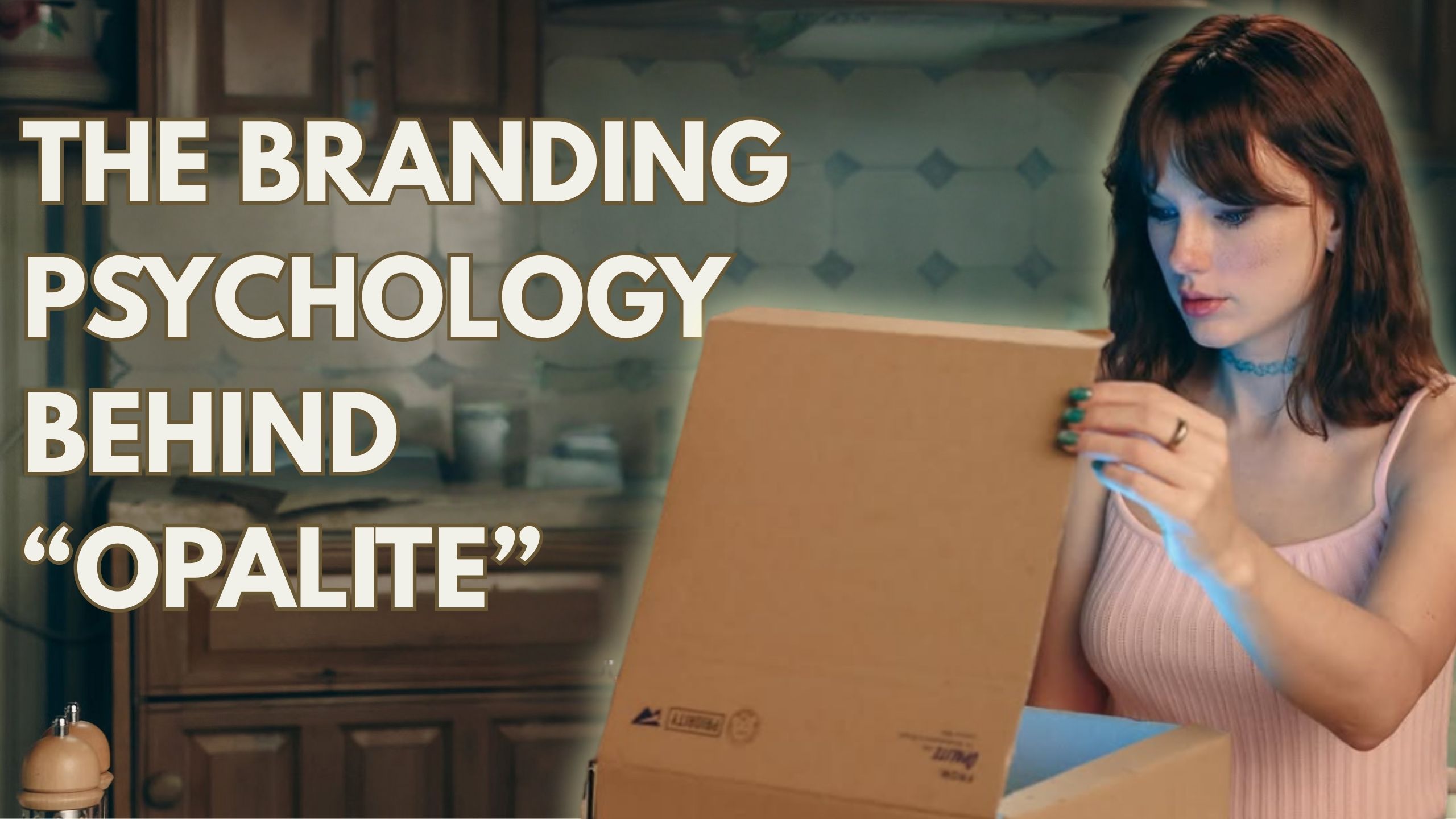
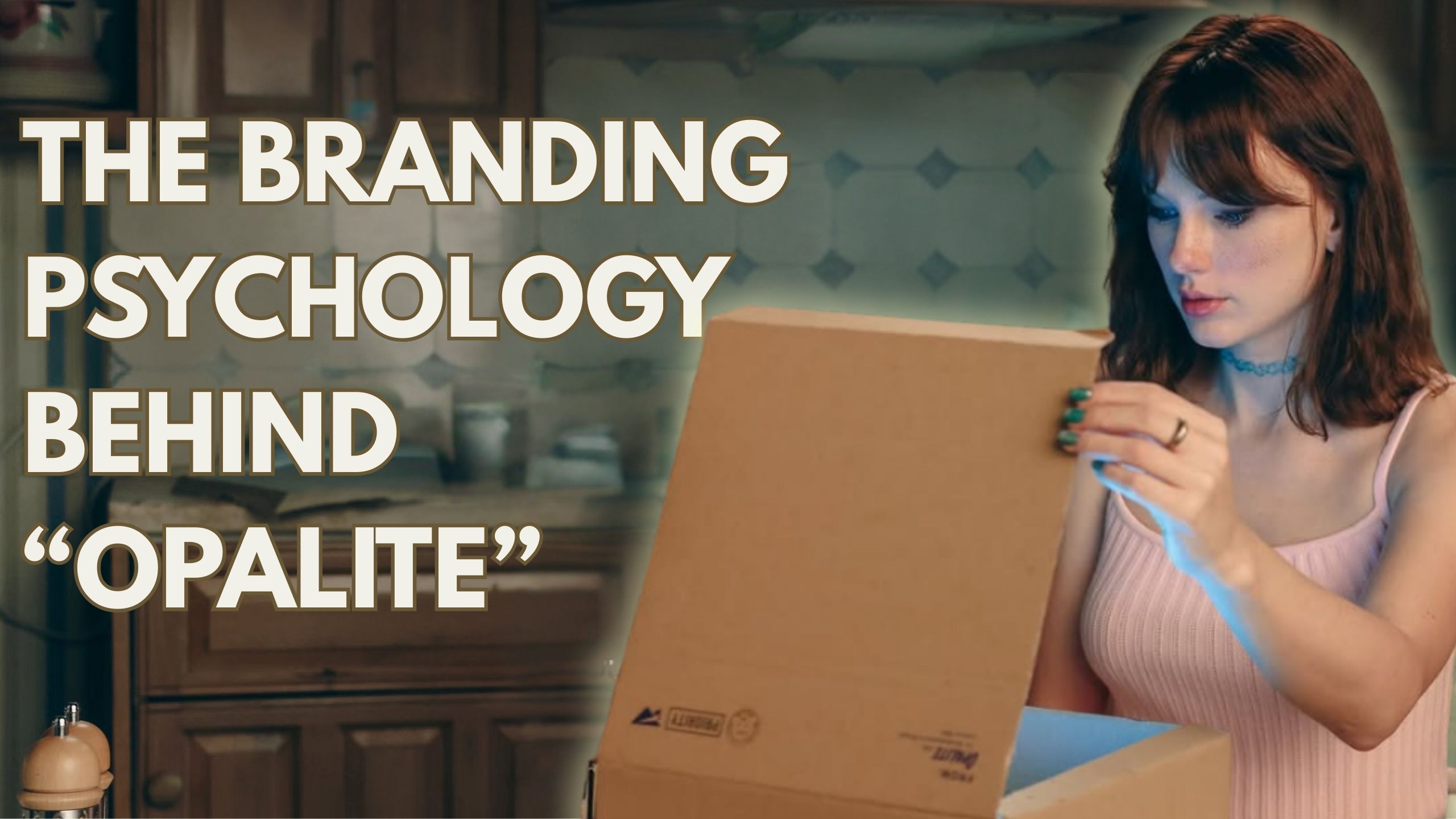
Everyone is dissecting the aesthetics of Taylor Swift’s new video, Opalite.
The 80s grain.
The nostalgia.
The Easter eggs.
But almost no one is asking the strategic question:
Why lean into nostalgia and layered symbolism during a reputational wobble? Why the Easter Eggs pointing to the future when Taylor is cloaked in scandal?
If you zoom out and study the career of Taylor Swift, you’ll notice something consistent:
She doesn’t defend in the moment.
She regains control of the narrative and reframes the era through the use of strategic branding, marketing, & PR moves.
And that’s not accidental.
The PR Lens: Why Nostalgia Is Smart During Public Pressure
In any PR cycle — especially when headlines begin circling association drama (yes, including the recent text messages that were exposed involving Blake Lively) — brands face a choice:
Clarify.
Apologize.
Confront.
Or re-anchor identity.
Nostalgia is an identity re-anchor.
Here’s why it works.
1. It Regulates the Emotional Climate
Controversy activates threat.
Nostalgia activates safety.
When you connect with your audience over shared memories and history, you bypass argument and trigger emotional memory.
The joy & curiosity triggered is neurologically incompatible with outrage. You can’t relive happy events from your childhood, decode symbolism in Easter Eggs, and rage-scroll at the same time.
This stabilizes perception in a way a statement never could.
2. It Redirects Narrative Bandwidth
If the internet is busy decoding symbolism, it’s not amplifying scandal.
Layered storytelling shifts discourse from accusation to analysis.
You don’t silence the conversation.
You flood it with something else.
3. It Signals Longevity
Nostalgia is legacy positioning. When you connect with your community over shared memories from your life, as well as shared memories from the life of the brand, you immediately signal longevity.
It says:
“We are bigger than a news cycle” and “Remember that we got through worse before”.
Especially for brands operating at global level this is marketing & PR chess when everyone else is playing checkers.
The Branding Psychology: Easter Eggs Are Loyalty Architecture
This video isn’t riddled with Easter Eggs by accident. Easter eggs are not decorative.
They are participation design.
They:
-
Reward attention
-
Create in-group identity
-
Encourage active engagement
-
Increase emotional investment
When fans decode something, they don’t just consume.
They co-create meaning.
And people defend stories they feel involved in.
Look at the architecture behind The Eras Tour. That wasn’t just performance. It was nostalgia monetized at scale.
It was mythology consolidated into a live experience.
That’s brand engineering, which has been in place and being nurtured from day 1 of brand Taylor Swift.
You Don’t Need a Crisis to Use This
Most people assume nostalgia and gamification are defensive tactics.
They’re not.
They’re proactive design tools.
You can intentionally build:
-
Recurring phrases
-
Layered doctrine
-
Symbolic repetition
-
Visual callbacks
-
“If you know, you know” language
-
Long-term narrative arcs
You don’t need hidden objects in a music video.
You need ideological consistency.
Gamification doesn’t have to be playful.
It can be intellectual.
Philosophical.
Tribal.
When your audience starts recognizing your patterns before you explain them — you’ve built lore.
And lore builds retention.
Nostalgia, Lore & the Lie of “Radical Transparency”
Here’s where this gets uncomfortable.
When personal brands face pressure, most over-expose.
They over-explain.
They emotionally dump.
They call it authenticity.
But authenticity was never meant to mean full access.
Nostalgia works because it’s selective.
Easter eggs work because they’re curated.
Myth works because it’s contained.
None of that is accidental transparency.
It’s intentional narrative design.
This is where my core branding belief comes in:
Authenticity is not total exposure.
A brand is a role.
A brand is selection.
A brand is containment.
When you lean into nostalgia instead of clarification, you’re saying:
“I choose what gets amplified.”
When you embed symbolism instead of explanation, you’re saying:
“Engage with the story — not the scandal.”
That’s power in branding and business.
The Strategic Takeaway
If your brand collapses the moment you stop oversharing, you don’t have a brand that is profitable and sustainable over the long term.
Strong brands are built on identity architecture — not emotional access.
Nostalgia stabilizes.
Gamification deepens loyalty.
Myth protects.
And all of it rests on one core principle:
Selection over exposure.
You don’t build loyalty by giving people everything.
You build loyalty by designing participation.
By embedding doctrine.
By repeating symbolic language.
By reinforcing identity intentionally.
By creating a universe that people step into.
By turning your audience into insiders — not spectators.
That’s brand psychology.
And if you want to architect this inside your own ecosystem — not aesthetically, but structurally — that’s exactly what we’re doing inside Brand by Design: The Psychology of Magnetic Brands.
We start on the 16th.
This isn’t a content course.
It’s identity extraction.
It’s archetype containment.
It’s building something that can withstand pressure without scrambling for relevance.
Because once your brand is engineered properly, you don’t panic during narrative shifts.
You re-anchor.
Enrolment is open.
Let’s build something that lasts.
You can learn more HERE.
ashley
https://www.ashleybrianaeve.com/
